
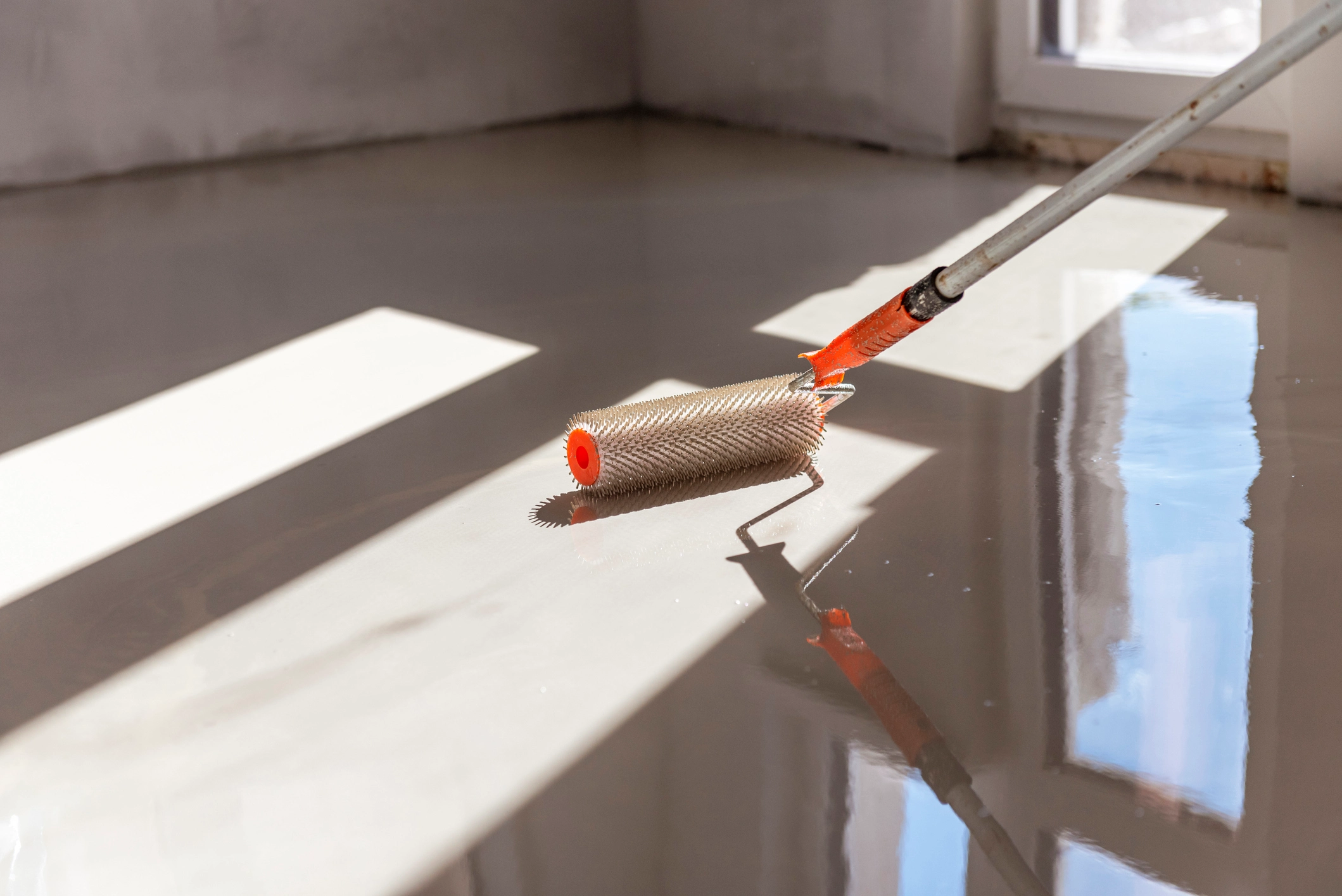
Understanding VOCs and Indoor Air Quality
Volatile Organic Compounds (VOCs) are carbon-based chemicals found in many traditional floor coatings, adhesives, and construction materials. These compounds evaporate at room temperature and can continue to off-gas for days or weeks after installation.
The U.S. Environmental Protection Agency notes that VOC levels indoors are often 2 to 5 times higher than outdoors, sometimes even more in tightly sealed spaces. Exposure to VOCs has been linked to respiratory irritation, headaches, and long-term health risks for both workers and building occupants.
This is why more facility managers and contractors are specifying low VOC epoxy and urethane floor coatings that reduce emissions while maintaining performance.
The Case for Low Odor, Low VOC Floor Coatings
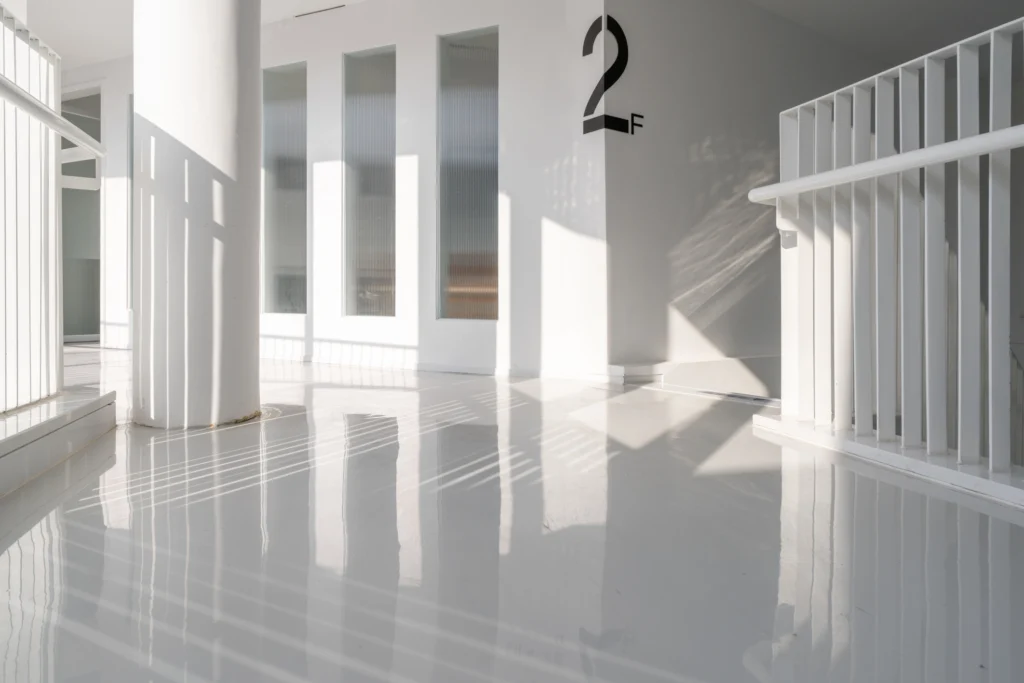
Not all coatings are created equal. Traditional solvent-based epoxies may cure to a hard, durable finish, but they often release strong odors and VOCs that delay reentry and create occupant discomfort. Modern low VOC systems are engineered to:
- Minimize odor during installation
- Reduce off-gassing after cure
- Enable faster, safer occupancy
- Support compliance with indoor air quality goals
In 2025, these features aren’t just preferred, they’re becoming standard expectations across healthcare, veterinary, food, and education environments.
BioBond’s Plant-Based Polyurethane Innovation
BioBond’s growing line of protective coatings is designed for use in health-sensitive, high-traffic environments, including healthcare, assisted living, veterinary clinics, education, food processing and distribution, and commercial facilities.
Formulated and manufactured in the U.S., BioBond coatings are made with cleaner chemistry and do not contain microplastics, formaldehyde, or petroleum-derived solvents. These materials prioritize indoor air quality and application safety without compromising abrasion resistance, cure speed, or coverage.
Key Benefits of BioBond Protective Coatings:
- Low VOC and low odor, ideal for occupied or semi-occupied spaces
- Free from microplastics and formaldehyde
- Water-based application for easier cleanup and installation flexibility
- Certified Clean Air GOLD by Intertek
- USDA BioPreferred-eligible
- Built for abrasion, chemical resistance, and long-term wear
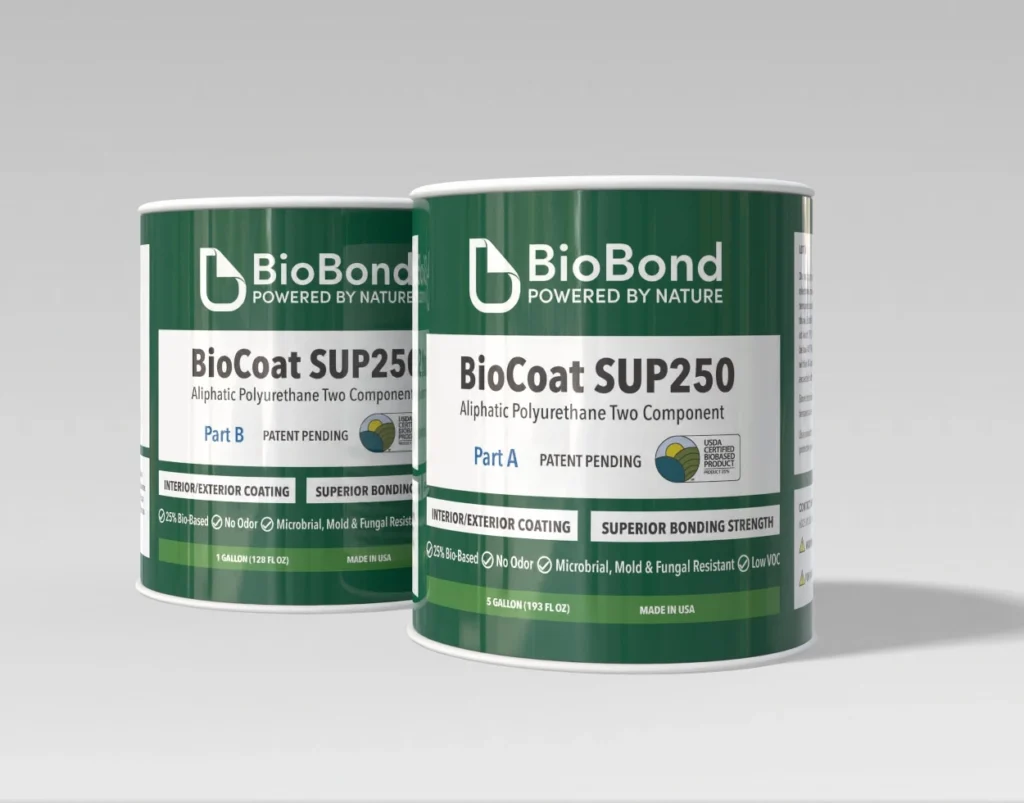
BioCoat SUP250, one of BioBond’s flagship formulations, is a two-component plant-based polyurethane designed for industrial flooring. It cures quickly, performs under harsh conditions, and supports safer indoor environments across multiple sectors.
Where Low VOC Coatings Make a Measurable Difference
BioBond’s protective coatings are built for safety-first performance in environments where durability and indoor air quality must coexist. Whether a space is regulated, occupied, or mission-critical, clean material selection matters.
Environments That Demand Cleaner, Safer Coating Systems
- Food processing and distribution
Helps reduce the risk of odor-related contamination in hygiene-sensitive environments.
- Assisted living and healthcare
Supports indoor air quality in resident rooms, rehab spaces, and memory care units.
- Veterinary clinics and animal care
Minimizes exposure for both staff and animals—ideal for exam and recovery rooms.
- Industrial kitchens and logistics centers
Withstands moisture, traffic, and cleaning agents—without the heavy odor load.
- Schools, childcare, and public buildings
Aligns with health-conscious design and low-emission construction requirements.
- Specialty retail and display environments
Ideal for high-touch showrooms—such as automotive, marine, gallery, and home renovation displays—where aesthetics, air clarity, and surface durability enhance customer experience.

What Contractors and Facility Managers Should Ask
Before specifying a floor coating, ask:
- Will this coating delay room turnover due to odor or off-gassing?
- Is it safe for installation in occupied or semi-active buildings?
- Does it contain microplastics, formaldehyde, or petroleum-based solvents?
- Is it certified or independently verified for clean air compliance?
- Will it stand up to abrasion, chemicals, and routine cleaning?
BioBond’s low VOC epoxy and urethane floor coatings are designed to meet industrial durability standards without compromising air quality.
For more information, see our Protective Coatings page or Contact Us.
The Bottom Line: Are They Worth It?
Absolutely. Low VOC epoxy and urethane floor coatings are increasingly valued not only for health and comfort, but for operational efficiency and project reputation. In 2025, the expectation is clear: floor coatings should perform, protect, and enable smoother project delivery.
Contractors benefit from faster schedules, fewer odor-related complaints, and confident reentry timelines. Facility owners benefit from healthier spaces and compliance-ready performance.
Ready to Specify a Cleaner, Safer Floor Coating?
BioBond’s protective coatings are designed for high-traffic, health-conscious environments—delivering durability, safety, and peace of mind in every coat.
To learn more about specifying low VOC epoxy and urethane floor coatings for your facility, email us:
- Adhesives: AdhesivesInfo@biobondadhesives.com
- Protective Coatings: CoatingsInfo@biobondadhesives.com
- General Inquiries: info@biobondadhesives.com
Or visit our Contact page to get started.
BioBond: Better Price. Better Performance. Better for Everyone.


