Public Restrooms Smell and Are a Contamination Risk. Here’s How Antimicrobial Protective Coatings Reduce It.
Public restroom surfaces are continuously exposed to moisture, traffic, and bacteria. BioBond’s antimicrobial protective coating system helps facilities maintain safer, healthier restroom environments between cleaning cycles.
Why Public Restrooms Require More Than Routine Cleaning
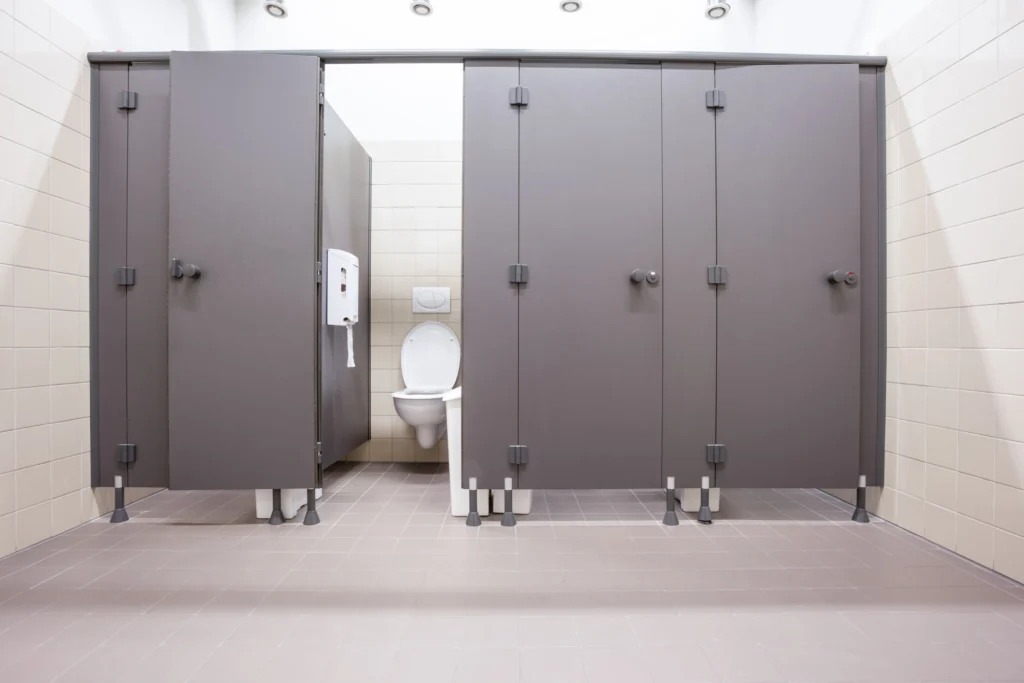
Public restrooms are among the most demanding environments in any facility to keep clean and safe. Constant use, high moisture levels, frequent surface contact, and lack of aggressive cleaning schedules create ideal conditions for bacterial persistence and surface degradation.
While routine cleaning and disinfection are essential, research consistently shows that restroom surfaces are rapidly re-contaminated between cleaning cycles, especially on floors, walls, partitions, sinks, and toilet surrounds.
Studies examining public restroom microbiomes have identified diverse bacterial colonies across nearly all restroom surfaces, including organisms associated with human skin, gastrointestinal sources, and environmental reservoirs. These bacteria are not confined to obvious touchpoints such as flush handles and faucets. Floors, wall surfaces, and coated substrates also serve as reservoirs, particularly where moisture and wear compromise surface integrity.
For facility managers, this reality raises an important question: how can surface protection help reduce contamination risk continuously, not just immediately after cleaning?
Protective coatings engineered for durability and antimicrobial performance offer an additional layer of defense.
How Bacteria Persist on Restroom Surfaces
Even in well-maintained public restrooms, bacteria are introduced continuously through:
Direct hand contact with fixtures and partitions
Aerosolization during toilet flushing
Moisture accumulation from sinks, mopping, and humidity
Foot traffic transferring microorganisms across surfaces
Scientific research has shown that toilet flushing can aerosolize microorganisms, allowing them to settle on surrounding surfaces well beyond the toilet itself. Once deposited, bacteria can survive for extended periods on hard surfaces, particularly when protected within microscopic surface irregularities or biofilms.
Older or degraded coating systems can become porous over time, creating micro-environments where bacteria adhere, survive routine cleaning, and re-establish colonies quickly. This makes surface condition a critical factor in restroom hygiene.
Why Coatings Matter in a Restroom Hygiene Strategy
In public restroom environments, coatings serve a role far beyond aesthetics.
An effective restroom coating system should:
Create a sealed, non-porous surface that limits bacterial adhesion
Withstand frequent cleaning and disinfecting without breaking down
Maintain integrity in wet, high-abuse environments
Support hygiene protocols between scheduled cleanings
When antimicrobial functionality is incorporated into the coating system, surfaces gain continuous inhibition of microbial growth, helping reduce bacterial accumulation directly at the material level.
Antimicrobial coatings do not replace cleaning protocols. Instead, they help lower the baseline microbial load on surfaces, making restrooms easier to maintain and safer to operate throughout the day.
BioBond’s Protective Coating System for Public Restrooms
BioBond’s approach to public restroom protection is built around a layered coating system, designed to work together for adhesion, durability, hygiene support, and long-term performance.
BioCoat™ SWaE250
Water-Based Epoxy Primer | Two-Component
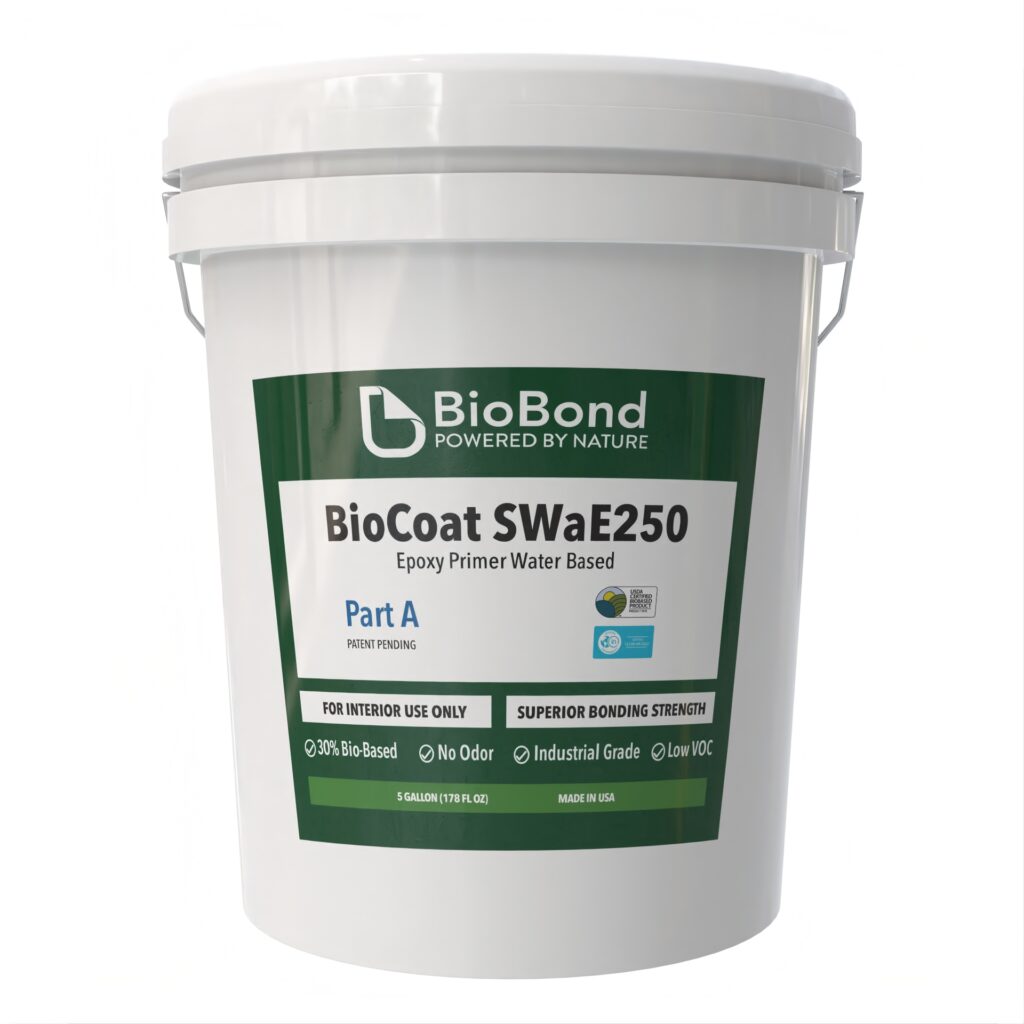
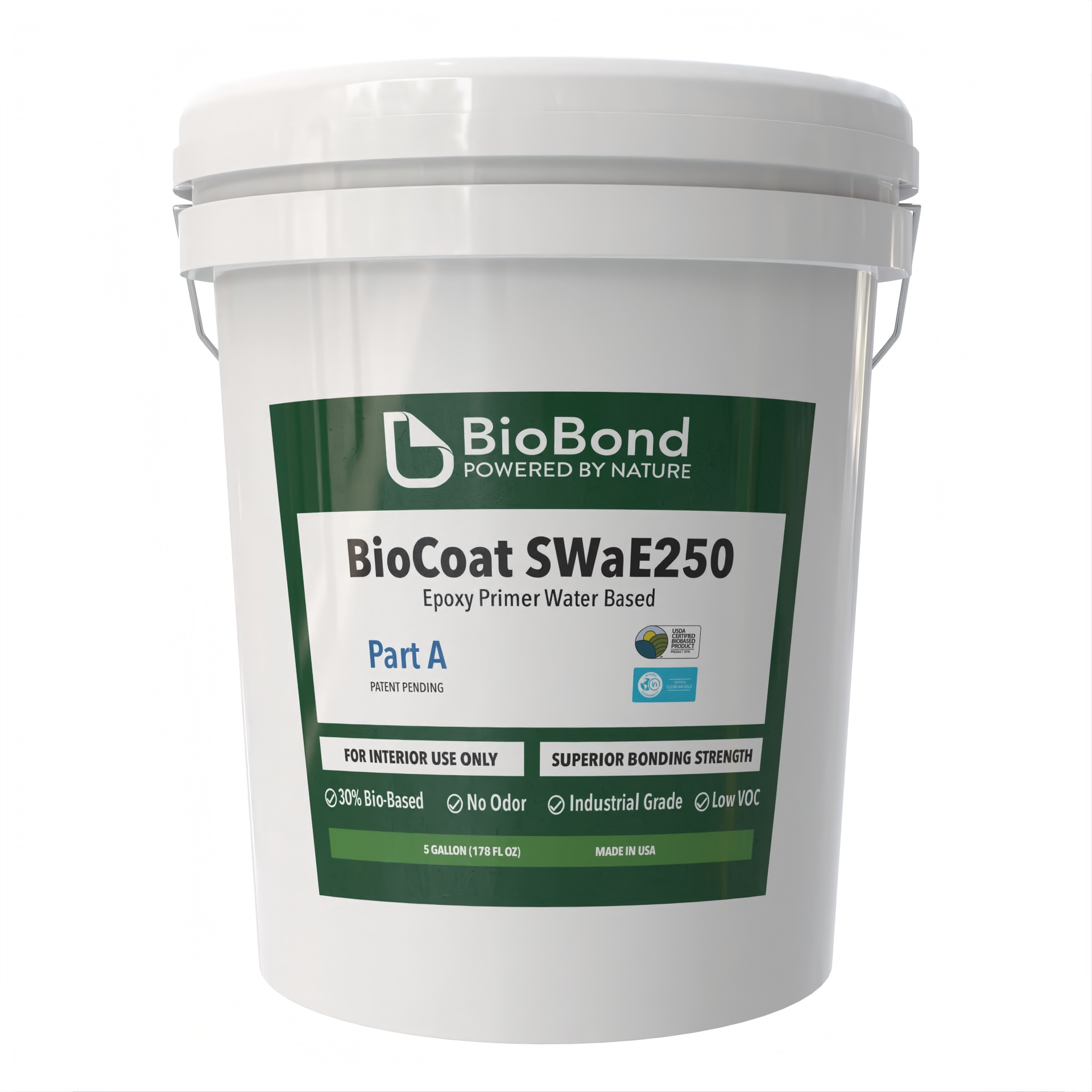
BioCoat™ SWaE250 serves as the foundation of the system. This water-based epoxy primer is engineered to bond effectively to prepared concrete substrates, creating a uniform base for subsequent coatings.
In public restroom applications, SWaE250 provides:
Strong adhesion to concrete and cementitious substrates
Improved bonding for epoxy and polyurethane layers
Reduced risk of delamination in moisture-prone environments
A low VOC formulation suitable for occupied facilities
By sealing the substrate and stabilizing the surface, SWaE250 helps prevent moisture intrusion and surface degradation that can contribute to bacterial persistence.
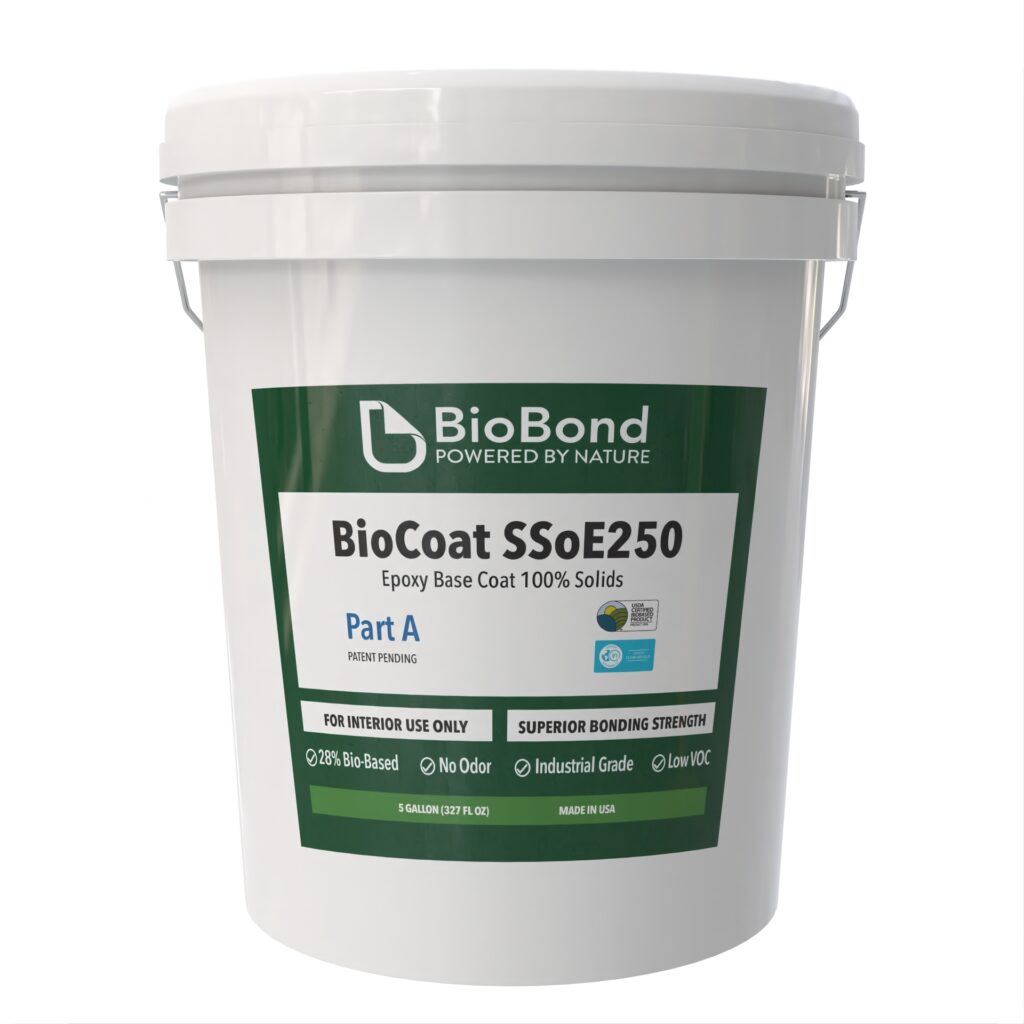
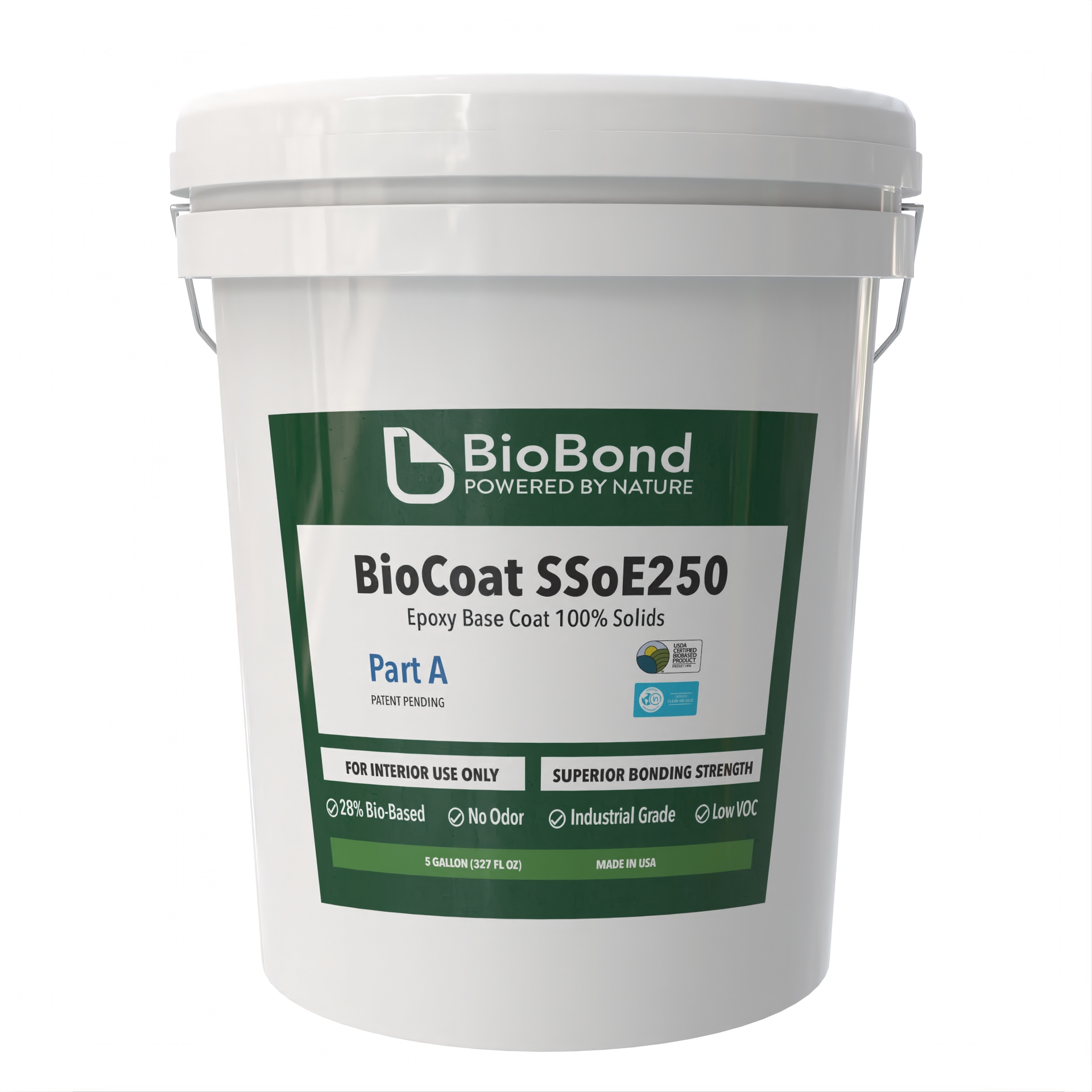
BioCoat™ SSoE250
100% Solids Epoxy Base Coat | Two-Component (Available in 11 Premium Mica Colors and 8 Pigmented Colors)
BioCoat™ SSoE250 functions as the primary protective and aesthetic layer within the system. As a 100% solids epoxy, it creates a dense, seamless surface designed for heavy use and frequent cleaning.
For public restrooms, SSoE250 offers:
A smooth, non-porous surface that limits bacterial adhesion
High resistance to abrasion, chemicals, and cleaning agents
Long-term durability under constant foot traffic
Design flexibility through multiple color options
The seamless nature of the epoxy surface reduces cracks and crevices where bacteria can accumulate, supporting more effective cleaning and improved hygiene outcomes.
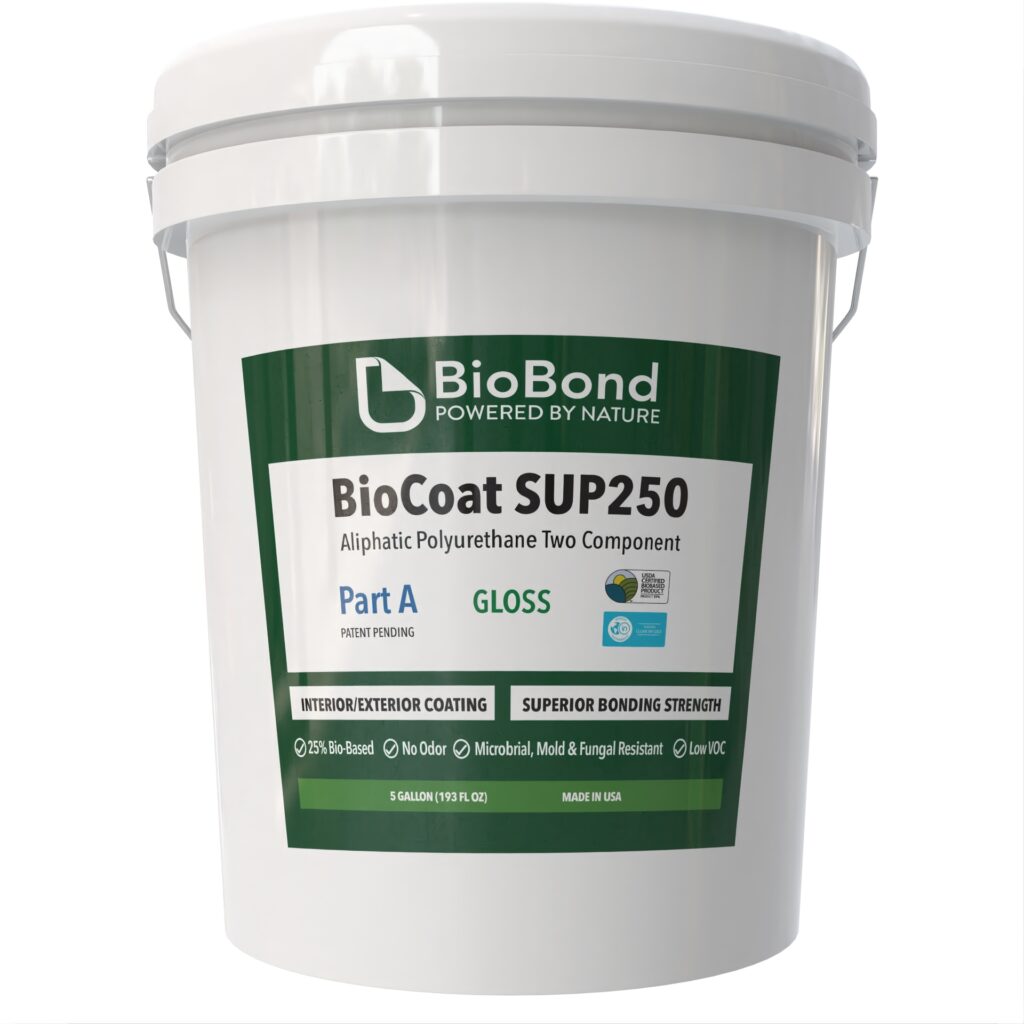
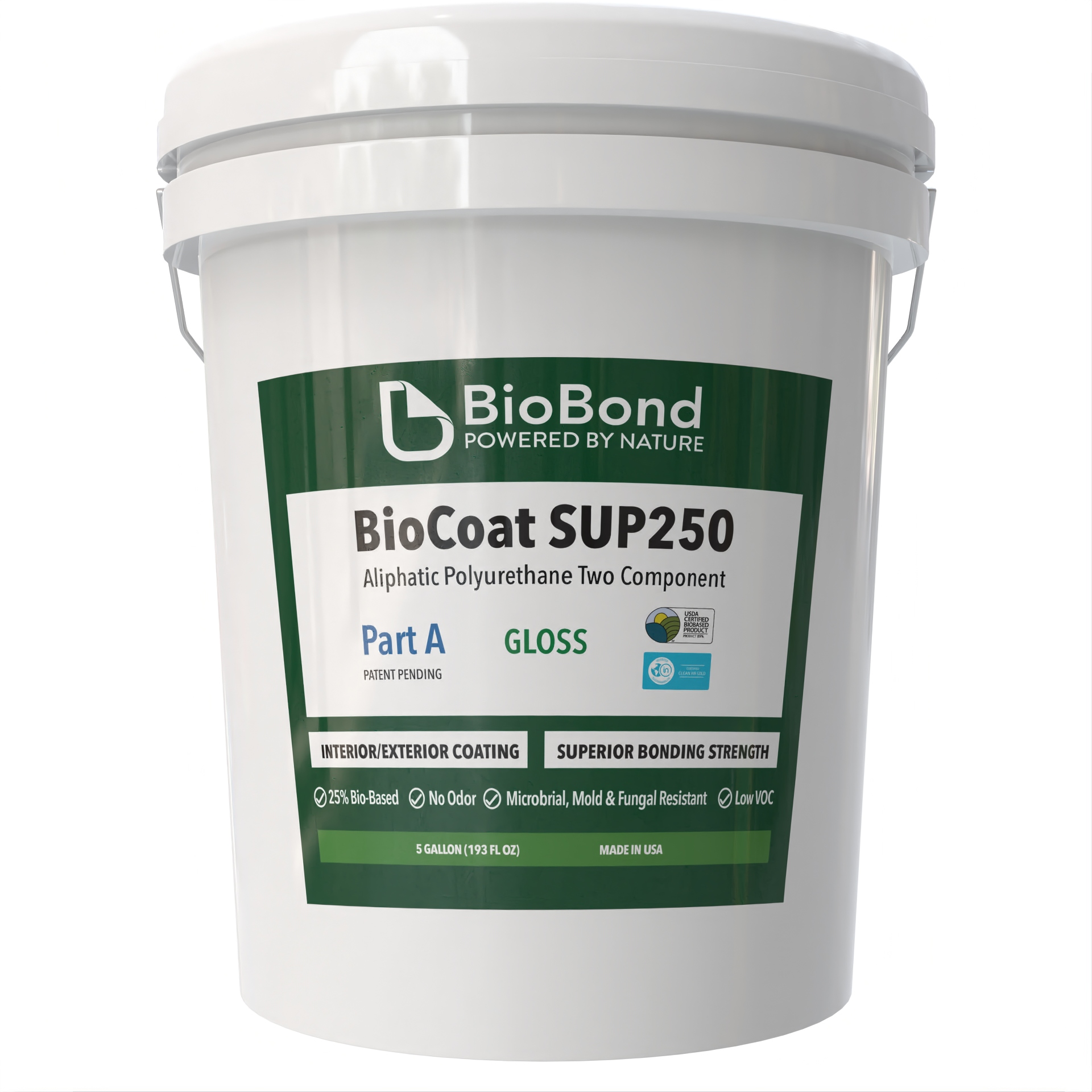
BioCoat™ SUP250 serves as the final protective topcoat and wear layer. It delivers enhanced durability and incorporates antimicrobial performance to help inhibit microbial growth on treated surfaces.
In public restroom environments, SUP250 provides:
Antimicrobial surface protection that works continuously between cleanings
Enhanced resistance to abrasion and harsh cleaning chemicals
UV stability for areas exposed to lighting or daylight
A durable, easy-to-clean finish that maintains performance over time
As the topcoat, SUP250 protects the epoxy system beneath while adding surface-level antimicrobial functionality where it matters most.
How Antimicrobial Coatings Improve Restroom Safety
Antimicrobial surface technologies are designed to reduce the ability of bacteria to survive and multiply on treated surfaces. Scientific literature has demonstrated that antimicrobial coatings can significantly reduce bacterial counts on high-touch and high-use surfaces compared to untreated materials.
In public restrooms, this can result in:
Lower surface bacterial levels between cleaning cycles
Reduced likelihood of cross-contamination from touchpoints
Improved support for infection control protocols
More consistent hygiene performance throughout the day
By combining sealed surface construction with antimicrobial functionality, BioBond’s protective coating system helps facilities maintain safer and healthier restroom environments without relying solely on increased cleaning frequency.
Built for High-Traffic Public Facilities
Public restrooms in airports, schools, transit centers, municipal buildings, healthcare centers, and commercial spaces face constant use and demanding maintenance schedules. BioBond’s protective coatings are engineered to withstand moisture, abrasion, and repeated cleaning without premature failure.
This durability supports:
Reduced maintenance downtime
Lower long-term recoating and repair costs
Predictable lifecycle performance
Greater confidence in facility cleanliness
For facility managers, this translates into improved ROI and fewer operational disruptions.
A Smarter Approach to Public Restroom Surface Protection
Maintaining restroom safety requires more than routine cleaning. It requires surfaces designed to resist contamination, support hygiene protocols, and perform reliably under constant use.
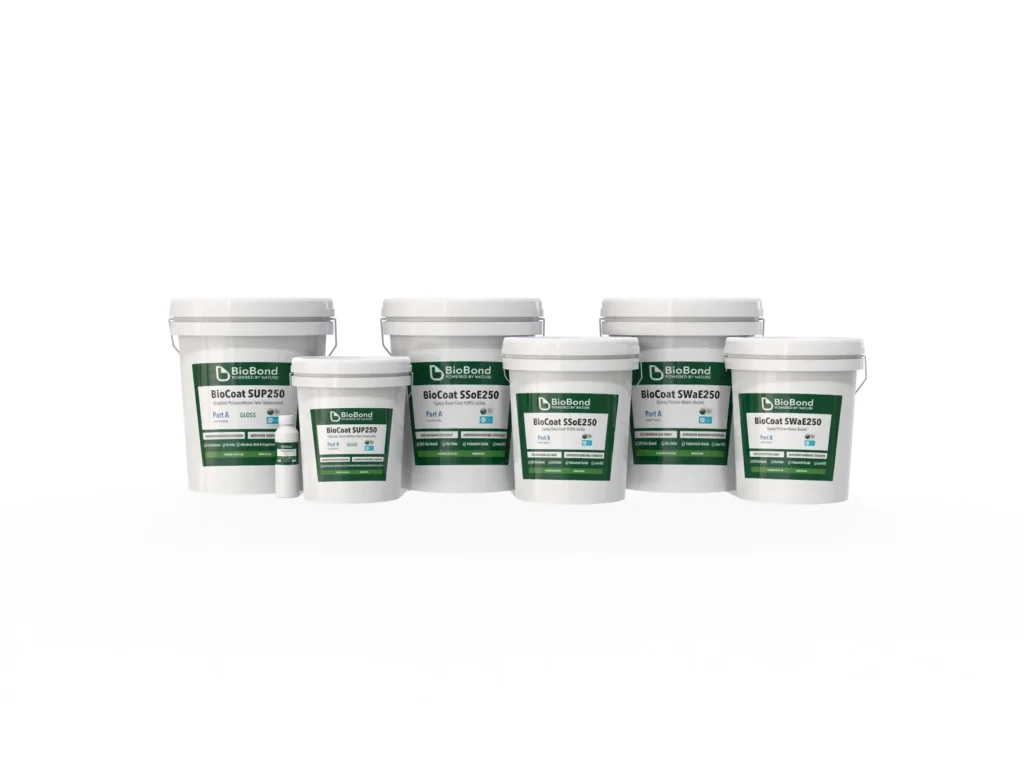
By combining BioCoat™ SWaE250 primer, BioCoat™ SSoE250 epoxy base coat, and BioCoat™ SUP250 antimicrobial polyurethane topcoat, BioBond delivers a protective coating system engineered specifically for the demands of public restroom environments.
Ready to Improve Public Restroom Safety and Surface Performance?
BioBond’s protective coating systems help public facilities reduce contamination risk, support hygiene standards, and maintain durable restroom surfaces over the long term. Our technical team works directly with facility managers, contractors, and specifiers to evaluate restroom conditions and recommend coating systems tailored to your operational needs.
BioBond uses cookies and similar technologies to enhance your experience, analyze site usage, and support core site functionality. With your consent, we may process data such as browsing behavior or unique identifiers. You may choose to accept, reject, or customize your preferences at any time. Withdrawing consent may impact how certain services function.
Functional
Always active
The technical storage or access is strictly necessary for the legitimate purpose of enabling the use of a specific service explicitly requested by the subscriber or user, or for the sole purpose of carrying out the transmission of a communication over an electronic communications network.
Preferences
The technical storage or access is necessary for the legitimate purpose of storing preferences that are not requested by the subscriber or user.
Statistics
The technical storage or access that is used exclusively for statistical purposes.The technical storage or access that is used exclusively for anonymous statistical purposes. Without a subpoena, voluntary compliance on the part of your Internet Service Provider, or additional records from a third party, information stored or retrieved for this purpose alone cannot usually be used to identify you.
Marketing
The technical storage or access is required to create user profiles to send advertising, or to track the user on a website or across several websites for similar marketing purposes.